
Website vs Funnel: What’s the Difference and Which Does Your Business Need?
A website and a funnel are not the same thing. A website helps people browse and learn about your business. A funnel guides people toward one clear action, like joining your email list, booking a call, registering for a webinar, or buying a product.
 A website gives people space to explore. A funnel gives people one clear next step.
Quick answer
A website is your online home base. It is best for trust, information, browsing, search traffic, blog posts, service pages, product categories and general business information.
A funnel is a focused path. It is best when you want one action, such as an email sign up, booking, webinar registration, product purchase or application.
The important part is choosing the right type of funnel. Not every funnel is a sales funnel.
The biggest mistake beginners make
When people hear the word funnel, they often picture a sales page with a checkout.
That is only one type of funnel.
A funnel simply means you are guiding someone through a clear path. The goal of that path depends on what you want the visitor to do next.
Use the correct name for the job: lead funnel, booking funnel, webinar funnel, application funnel, product funnel or sales funnel. Calling every funnel a sales funnel makes things confusing, especially when the page is not selling anything.
Website vs funnel in plain English
A website helps people explore
Your website is where people can look around, learn about you, read helpful content, compare offers, check your contact details and build trust.
A funnel helps people take action
Your funnel removes extra choices and guides people toward one clear next step. That action might be free, paid, booked, registered or applied for.
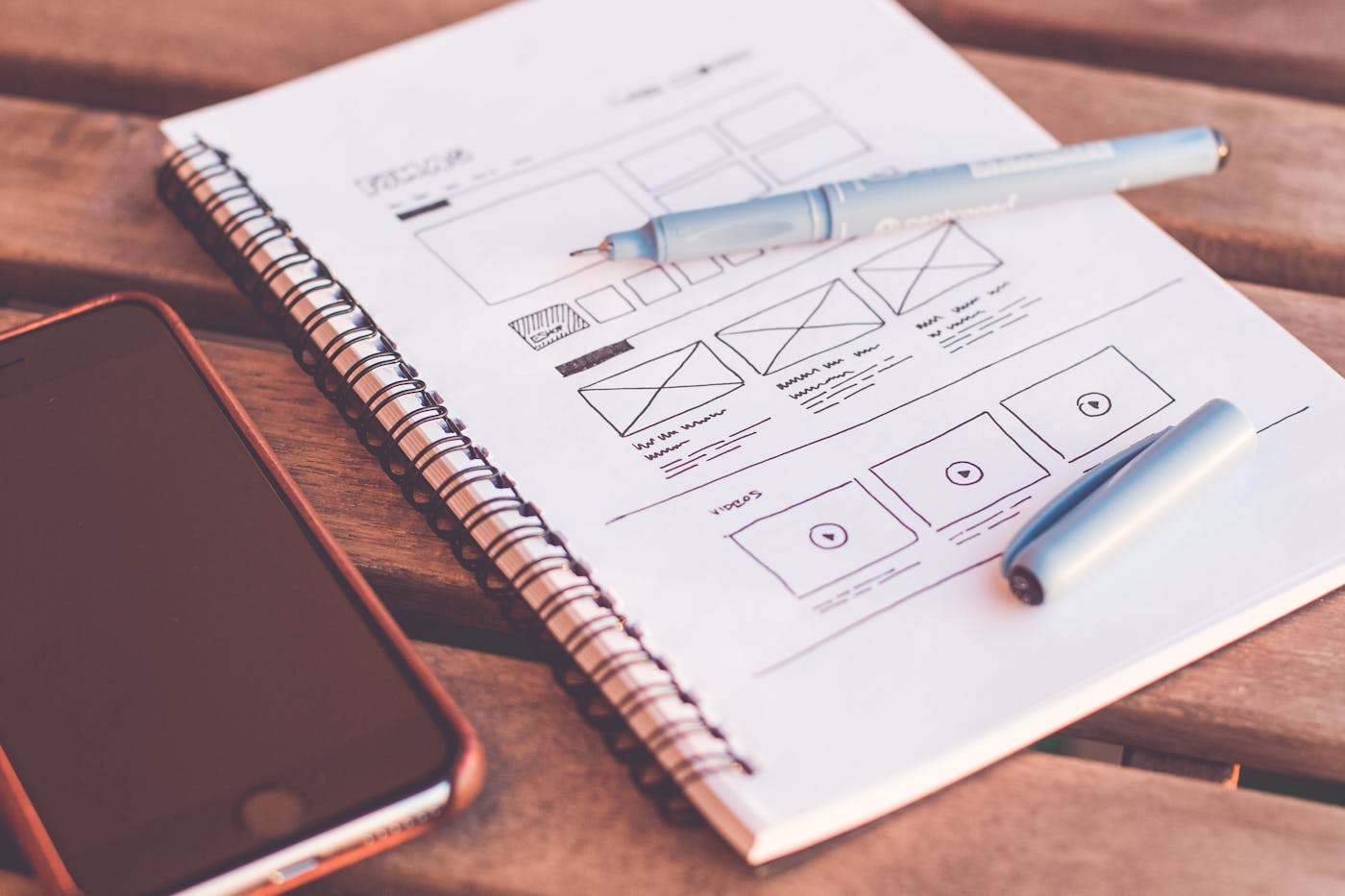
A website is best when people need more context before they decide.
What a website is best for
A website is the better choice when your visitor needs to browse, compare, learn or understand your business before taking action.
What different funnels are best for
A funnel is the better choice when your visitor does not need to browse. They need a clear reason to take the next step.

A funnel is best when you want to remove distractions and make the next step obvious.
Website vs funnel comparison
| Question | Website | Funnel |
|---|---|---|
| Main job | Help people browse and understand your business | Guide people to one specific action |
| Best for | Trust, information, SEO, services, blog content and product categories | Lead generation, bookings, registrations, applications or one focused sale |
| Navigation | Usually has menus and multiple page choices | Usually has fewer links and fewer distractions |
| Visitor mindset | “I want to look around first” | “I am ready for the next step” |
| Example | Home, About, Shop, Blog, Contact | Opt-in page, thank you page, booking page, checkout page or email sequence |
Hayley’s Tip
Do not ask “Do I need a website or a funnel?” first. Ask “What do I need this page to do?” first.
If the answer is “help people understand everything I offer,” you probably need a website. If the answer is “get them to sign up, book, register or buy,” you probably need a funnel.
Which one should you build first?
Start with the one that supports your current business goal, not the one that sounds more official.
- If you need subscribers: build a lead funnel with an opt-in page, thank you page and email delivery.
- If you need client enquiries: build a booking funnel or a simple service website, depending on how much explaining your offer needs.
- If you need product sales: build a sales funnel for that product, especially if you are sending traffic from email, ads or social media.
- If you need authority: build a website or blog so your helpful content has somewhere to live.
- If you need both: use your website as the home base and your funnels as focused action paths.
A simple way to choose
Where Systeme.io fits in
Systeme.io is useful because you can build funnels, simple websites, email campaigns, checkout pages and courses in one place.
That makes it a good beginner option because you can start with a lead funnel or sales funnel, then add more pages when your business needs them.
Helpful resources

Lead Magnet Funnel Template
Use this when your next goal is growing your email list with a freebie.

Build Your Funnel in a Day
Take the free click-by-click course if you want help setting up your first funnel.
Email List Starter Kit
Start with a lead funnel, Canva freebie template and email sequence in one simple kit.
Frequently asked questions
Do I need a website or a funnel first?
Start with the page type that matches your goal. If you need people to browse, compare services and learn about your business, start with a website. If you need one action, such as an email sign up, booking or product sale, start with the matching funnel.
Is every funnel a sales funnel?
No. A sales funnel is for selling a product or offer. A lead funnel collects email subscribers. A booking funnel gets people to book a call. A webinar funnel gets people to register and attend. They are all funnels, but they do different jobs.
Can a funnel replace a website?
Sometimes, but not always. A focused funnel can work beautifully when you have one clear goal. A website is better when people need to browse several pages, learn more about you, or compare different offers.
What is the difference between a landing page and a funnel?
A landing page is one page. A funnel is the full path someone takes, which might include an opt-in page, thank you page, checkout page, booking page, email sequence or follow-up offer.
Can I build websites and funnels in Systeme.io?
Yes. Systeme.io can be used for funnels, simple websites, email campaigns, checkouts and courses, which makes it useful for beginners who do not want to connect lots of separate tools.


